
Best Pizza Peel: Top Picks for Launching and Turning
Find the best pizza peel for launching, turning, and serving pizza, with clear picks by material, size, and oven workflow.
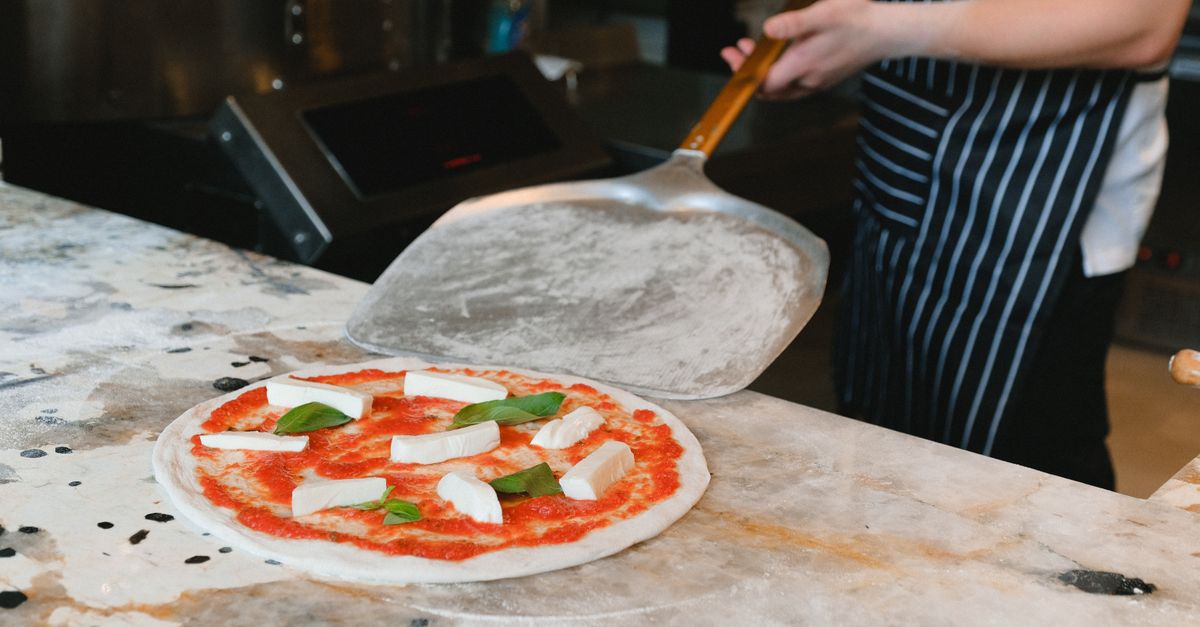
How we research: this guide is based on manufacturer specifications, published data and verified customer feedback. Products are not personally tested unless marked “Tested by us”. Our process.
We may earn a commission when you buy through links on this site, at no extra cost to you. As an Amazon Associate I earn from qualifying purchases.
If you're only buying one pizza peel, start with a perforated aluminum launch peel. It is the easiest all-around choice for most home pizza setups, and it fits the way many backyard cooks actually work. If you're still choosing the cooker, our pizza ovens section and best outdoor pizza oven for beginners guide can help.
The catch is that a pizza peel is not one-size-fits-all. Launch peels, turning peels, and serving peels solve different jobs, and the right pick depends on whether you want to launch, rotate, retrieve, or present the pizza at the table. For dough and shaping help, see recipes & techniques.
For most people, the smartest setup is one launch peel and one turning peel. If you only want one tool, choose the peel that matches your main job and the size of your oven mouth.
Quick picks
Comparison table
| Model | Best for | Material / size | Why it stands out | Check price |
|---|---|---|---|---|
| Ooni Perforated Pizza Peel | Most home cooks | Anodized aluminum; 12-inch or 14-inch versions | Light, thin, and perforated for cleaner launches | Amazon |
| Ooni Pizza Turning Peel | Turning pizza in hot ovens | Anodized aluminum; 7-inch or 9-inch head | Long handle and small head for precise rotation | Amazon |
| Ooni Signature Perforated Pizza Peel | Premium launch peel | Hard-anodized aluminum head with walnut handle; 12-inch or 14-inch | More polished feel with the same launch-friendly shape | Amazon |
| Ooni Compact Pizza Peel | Small prep spaces | Hard-anodized aluminum; 12-inch | Slim profile with FlourCatch tracks | Amazon |
| Gozney Balance Placement Peel | Precise placement | Perforated aluminum blade with FSC beech handle; 12-inch or 14-inch | Balanced feel, replaceable handle, and hanging loop | Amazon |
| Gozney Acacia Wood Pizza Peel & Server | Serving and slicing | FSC acacia hardwood; 12-inch, 14-inch, or 16-inch | Attractive board with etched cutting guides | Amazon |
| King Arthur Baking Pizza Peel | Serve-and-slice board | Epicurean paper composite; 12-inch surface | Knife-safe and dishwasher-safe | Amazon |
Our picks in detail
Ooni Perforated Pizza Peel
Best for: Most home cooks who want one reliable launch peel
A straightforward launch peel for most home pizza ovens.
The perforated aluminum blade is designed to let extra flour fall away before launch, which can help keep the bottom of the pizza cleaner.
Choose the 12-inch version for tighter ovens or the 14-inch version if your oven mouth and dough-handling space are generous.
- Blade material
- Anodized aluminum
- Handle material
- Heat-resistant glass-reinforced nylon
- Size options
- 12-inch and 14-inch versions
- Care
- Hand wash only
Pros
- Lightweight and easy to maneuver
- Perforations help shed excess flour
- Two size options for different ovens
Cons
- Less forgiving with very wet dough
- Perforations can feel less controlled for some beginners
- Not the best choice if you mainly want a serving board
Ooni Pizza Turning Peel
Best for: Turning pizza in a hot oven without removing it
A purpose-built turning tool, not a launch peel.
The small round head and long handle make it easier to rotate pizza while keeping your hands farther from the heat.
Customer feedback tends to focus on the handle length and control, which are the two traits that matter most for this job.
- Head material
- Anodized aluminum
- Handle material
- Heat-resistant glass-reinforced nylon
- Head size options
- 7-inch and 9-inch heads
- Care
- Hand wash only
Pros
- Long handle improves reach and control
- Small head is ideal for rotation inside the oven
- Pairs naturally with a separate launch peel
Cons
- Not meant for launching pizza
- Requires some practice to use smoothly
- Too specialized to serve as your only peel
Ooni Signature Perforated Pizza Peel
Best for: A more refined launch peel with a wood handle
A more polished take on a classic perforated launch peel.
The walnut handle gives it a warmer, more premium feel, while the hard-anodized head keeps the launch-friendly shape.
A good fit if you want the perforated Ooni layout but prefer a wood-handled tool.
- Head material
- Hard-anodized aluminum
- Handle material
- Walnut wood
- Size options
- 12-inch and 14-inch versions
- Weight
- About 1.1 lb or 1.4 lb depending on size
Pros
- Premium look and feel
- Still thin and launch-friendly
- Available in two sizes
Cons
- Wood handle needs more care than nylon or plastic
- Less compact than the standard perforated peel
- Not as practical if you want a very simple, low-maintenance tool
Ooni Compact Pizza Peel
Best for: Smaller kitchens and compact prep stations
A slim, storage-friendly peel for tighter pizza stations.
The hard-anodized aluminum head and FlourCatch tracks are designed to make launching tidier with less loose flour on the prep surface.
Best when you want a compact tool rather than a big showpiece.
- Head material
- Hard-anodized aluminum
- Handle material
- Plastic
- Size
- 12-inch
- Special feature
- FlourCatch tracks
Pros
- Slim profile stores easily
- Helpful for tidier prep
- Simple shape is easy to handle
Cons
- Only one blade size
- Plastic handle feels less upscale than wood
- Less versatile than a full launch-and-turn setup
Gozney Balance Placement Peel
Best for: Precise pizza placement and easy launching
A control-focused launch peel with a flat-nosed, perforated blade.
The FSC beech handle, replaceable handle design, and hanging loop make it appealing if you care about balance and storage as much as function.
Especially strong for cooks who want deliberate placement rather than just a wide paddle.
- Blade material
- Perforated aluminum
- Handle material
- FSC beech wood
- Size options
- 12-inch and 14-inch versions
- Extras
- Replaceable handle and metal hanging loop
Pros
- Precise placement feel
- Premium materials and finish
- Replaceable handle adds convenience
Cons
- Wood handle needs regular care
- Perforated design still rewards good dough handling
- May be more peel than casual users need
Gozney Acacia Wood Pizza Peel & Server
Best for: Serving pizza and moving pies at the table
A serving-first peel that also works as a handsome transfer board.
The acacia hardwood, chamfered edge, and etched guides make it useful for bringing pizza out of the oven and slicing it cleanly.
Better as a serve-and-slice piece than as your only high-heat launching tool.
- Material
- FSC acacia hardwood
- Size options
- 12-inch, 14-inch, and 16-inch versions
- Thickness
- 13 mm
- Features
- Chamfered edge and etched cutting guides
Pros
- Attractive table presentation
- Useful cutting guides
- Multiple size options
Cons
- Thicker than aluminum launch peels
- Wood needs hand care
- Not ideal as your only peel for fast repeated baking
King Arthur Baking Pizza Peel
Best for: A simple serve-and-slice board with low maintenance
A pizza board made from Epicurean paper composite rather than a classic thin metal peel.
It is knife-safe and dishwasher-safe, which makes it appealing if you want a serving and cutting surface that is easy to live with.
Think of it as a hybrid board more than a dedicated launching tool.
- Surface size
- 12-inch
- Material
- Epicurean paper composite
- Care
- Dishwasher-safe
- Made in
- USA
Pros
- Knife-safe surface
- Easy to clean
- Works well as a serving and cutting board
Cons
- Not the thinnest launch surface
- Less suited to delicate launches
- More of a serve-and-slice tool than a true turning peel
How to choose the right pizza peel for your setup
Start by deciding what job the peel needs to do. If it is only moving dough from the counter to the stone, a perforated launch peel is usually the best first buy. If you cook at very high heat, a turning peel becomes just as important because it lets you rotate the pizza without dragging it out of the oven.
If your pizza station is part of a larger backyard setup, think about how the peel works with the rest of your gear. A proper launch peel plus a turning peel is the cleanest workflow for many home cooks, while wood and composite boards make more sense when serving matters more than speed. If you're still building out the rest of your station, browse tools & accessories.
- Buy a launch peel first if you only want one tool.
- Add a turning peel if you bake at high heat or cook often.
- Choose wood or composite if you want serving and slicing to matter.
- Match the blade size to your oven mouth and your dough size.
Launch peels, turning peels, and serving boards
The top search results tend to blur these categories together, but they are not interchangeable. Once you separate them, the buying decision gets much easier.
Launch peels
A launch peel is the broad, thin paddle that carries shaped dough from the counter to the oven stone. Thin aluminum is the most practical material for this job because it slips under the dough without adding much bulk, and perforations can help shake off extra flour before launch.
- Best for moving pizza onto the stone
- Perforated aluminum helps reduce excess flour
- Usually the first peel most home cooks should buy
Turning peels
A turning peel is small, usually round, and built to rotate the pizza after it has already launched. It matters most in hot ovens where one side of the pizza cooks faster than the other. The small head lets you make quick turns without wrestling a full-size paddle inside the oven.
- Used after launch to rotate the pizza
- Long handle keeps hands farther from heat
- A strong companion to a separate launch peel
Serving boards
Wood and composite peels are usually better at the table than in the oven. They are thicker, more stable for serving, and easier to use for slicing or presentation. If you want one tool to carry pizza to the table and cut it cleanly, this is the category to look at.
- Best when presentation matters
- Wood and composite are easier to serve from than to launch with
- Useful if you want a peel that doubles as a cutting surface
What size and shape should you buy?
For most home ovens, a 12-inch launch peel is the safest default. It gives you enough surface for a normal pizza without becoming awkward in a compact oven mouth. If you routinely make larger pies and your oven has room, a 14-inch peel gives you more landing space and a little more margin on the launch.
Handle length matters too. Longer handles keep your hands farther from the heat, which is helpful in a deep oven or when the fire is close to the opening. The trade-off is maneuverability: in a small kitchen or a tight prep area, a shorter or more compact peel can feel easier to control.
- Choose 12-inch if you want the safest all-around starting point.
- Choose 14-inch if you bake larger pies and your oven is roomy.
- Look for a slim edge more than a giant blade.
- Long handles are safer near high heat, but they can be clumsier in tight spaces.
Material trade-offs
Aluminum is the best all-around material for launching because it is thin and easy to slide under dough. Wood feels better at the table and can double as a serving board, but it is usually thicker and less practical for quick oven work. Composite boards sit in the middle: easy to care for, good for slicing, and useful if you want a low-maintenance serving surface.
- Aluminum for launching
- Wood for serving and presentation
- Composite for easy cleanup and knife safety
When a compact peel makes sense
A compact peel is worth considering if your prep area is small, your oven mouth is tight, or you simply want something easy to store. It can also make sense if you cook indoors for prep and outdoors for baking, since a slimmer tool is easier to move around between stations.
- Good for small prep stations
- Easier to store and maneuver
- Useful when you want a simpler workflow
Care, cleanup, and safety
Follow the manufacturer's cleaning instructions for the peel itself. Many aluminum models are hand-wash only, while some composite boards are dishwasher-safe. Wood should be wiped clean, dried promptly, and kept out of long soaks so it does not warp or crack.
Safety matters around the oven more than around the peel. Outdoor pizza ovens are for outdoor use only, away from buildings, and never in garages, tents, or other enclosed spaces because of carbon monoxide risk. If you use propane, follow the manufacturer's connection and leak-check instructions. Keep children and pets away from hot surfaces, and remember that a peel can get hot if it sits near the oven mouth. If you top pizza with poultry, cook it to 165°F / 74°C.
- Clean according to the product instructions.
- Do not soak wood handles or wooden boards.
- Use outdoor pizza ovens only outside, never in enclosed spaces.
- Follow propane connection and leak-check steps on gas models.
- Keep children and pets away from hot metal and stone.
- Cook poultry to 165°F / 74°C if it is on the pizza.
Cleaning
Hand-wash-only peels are simple, but they do need a little more care. Wipe off flour and semolina before storage, and dry the tool fully so moisture does not sit on the handle or blade. Dishwasher-safe boards are convenient if you mostly use the peel at the table.
- Wipe off flour before storage
- Dry wood thoroughly after cleaning
- Use the dishwasher only when the manufacturer says it is safe
Heat safety
A peel is a hand tool, but the oven environment is hot enough to damage it if you leave it too close to the flame. Turning peels are especially helpful here because they let you keep your hands farther from the heat while still controlling the pizza. Let the tool cool before putting it away.
- Keep the peel out of direct flame
- Use a turning peel to reduce reach into the oven
- Let hot tools cool before storage
FAQ
Do I need both a pizza peel and a turning peel?
If you cook pizza often in a hot oven, yes, that is the best setup. The launch peel gets the pizza in and out, while the turning peel lets you rotate it without removing it. If you only make pizza occasionally or cook at lower heat, one launch peel may be enough.
Is a perforated pizza peel better than a solid one?
For most home pizza ovens, yes. A perforated launch peel usually helps shake off extra flour and can make launches cleaner. Solid peels are still useful for serving boards or for situations where you want a thicker, more table-friendly surface.
What size pizza peel should I buy?
A 12-inch peel is the safest starting point for most home cooks. Choose 14-inch if you regularly make larger pies and your oven mouth is roomy. If your setup is compact, a smaller or slimmer peel is often easier to manage.
Can I use a wooden pizza peel in a hot pizza oven?
Yes, but wood is usually better for serving or for a quick launch than for long exposure inside a very hot oven. Follow the manufacturer's instructions and keep wood away from direct flame longer than necessary.
How do I keep pizza from sticking to the peel?
Work quickly, use enough flour or semolina without overdoing it, and avoid dough that is too wet for your skill level. A perforated launch peel can help reduce excess flour on the bottom, but good dough handling is still the main fix.
How do I clean a pizza peel?
Follow the product instructions. Many aluminum peels are hand-wash only, wood peels should be wiped and dried rather than soaked, and some composite boards are dishwasher-safe. Let the tool cool first if it has been near the oven.
The bottom line
If you want one peel, buy a perforated aluminum launch peel. If you cook often in a high-heat oven, add a turning peel next; that is the setup that gives you the most control.
Choose wood or composite only if serving and slicing matter as much as launching. For most people, the simplest path is still the best one: thin aluminum for the oven, a separate board for the table.