How we research: this guide is based on manufacturer specifications, published data and verified customer feedback. Products are not personally tested unless marked “Tested by us”. Our process.
We may earn a commission when you buy through links on this site, at no extra cost to you. As an Amazon Associate I earn from qualifying purchases.
Choosing a pizza oven is mostly about matching the fuel, size, and setup to how you actually cook. Gas, wood-fired, dual-fuel, countertop electric, and outdoor electric ovens can all make excellent pizza, but they behave very differently once they are hot.
If you already want model ideas, start with our best gas pizza ovens, best portable pizza ovens, or best outdoor pizza oven for beginners roundups. If you want a gas-specific shortcut first, the gas-powered pizza oven guide is a good place to start.
Great crust comes from more than a big temperature number. Floor heat, insulation, flame shape, recovery between pizzas, and your own launch-and-turn technique all matter.
Quick picks
Comparison table
| Type | Best for | Main trade-off | What to expect | Check price |
|---|---|---|---|---|
| Outdoor gas oven | Weeknight pizza and simple temperature control | Less live-flame flavor than wood | Fast heat-up, easy control, and strong consistency | — |
| Dual-fuel oven | Hands-on cooking and fuel flexibility | More technique and cleanup | Gas convenience with optional wood character | — |
| Countertop electric oven | Indoor convenience and repeatable results | Smaller capacity and no live flame | Simple startup and steady bakes | — |
| Outdoor electric oven | Patios that need plug-in convenience | Needs outdoor power and weather-aware storage | Electric control without propane tanks or wood | — |
Our picks in detail
Ooni Koda 16
Best for: Home cooks who want a 16-inch propane oven with fast heat-up and simple operation
Portable propane gas pizza oven for 16-inch pies.
Reaches up to 950°F and heats in about 20 minutes.
Cooks stone-baked pizza in about 60 seconds.
Includes a flame safety device that shuts off gas if the flame blows out.
What owners mention: Verified owners commonly praise the restaurant-quality pizza, large cooking area, strong burner performance, and versatility. The recurring complaint is the learning curve, especially dialing in temperature and launch technique.
- Fuel
- Propane gas
- Cooking size
- 16-inch
- Maximum temperature
- Up to 950°F
- Heat-up time
- About 20 minutes
- Pizza time
- About 60 seconds
- Safety
- Flame safety device
Pros
- Fast heat-up
- Large 16-inch cooking area
- Strong burner output
- Simple gas control
Cons
- Propane only
- Outdoor use only
- Bigger than compact travel ovens
Skip it if: you want a wood-fired flavor profile or a smaller, ultra-compact oven.
Gozney Roccbox
Best for: Cooks who want a premium portable oven with propane standard and optional wood heat
Portable pizza oven with propane standard and optional wood heat.
Reaches up to 950°F and makes up to 12-inch pizzas.
Has retractable legs and a built-in thermometer.
Ready to cook out of the box for outdoor use.
- Fuel
- Propane standard; optional wood burner
- Pizza size
- 12-inch
- Maximum temperature
- Up to 950°F
- Built-in thermometer
- Yes
- Retractable legs
- Yes
- Use
- Outdoor domestic use in the U.S. and Canada
Pros
- Flexible fuel setup
- Portable design
- High heat
- Built-in thermometer
Cons
- Smaller 12-inch capacity
- Wood burner is optional, not standard
- Still needs outdoor setup
Skip it if: you want a larger 16-inch cooking surface or a single-fuel oven with no optional burner choice.
Breville the Smart Oven Pizzaiolo
Best for: Indoor countertop pizza making with repeatable results and preset modes
Indoor countertop electric pizza oven.
Reaches up to 750°F and bakes pizzas in about 2 minutes.
Preset modes cover Wood Fired, New York, Pan, Thin and Crispy, and Frozen.
Compact stainless steel build for repeatable indoor use.
What owners mention: Available owner feedback in the notes is strongly positive about the pizza results and overall quality. I did not capture a repeatable complaint theme from the notes I reviewed in this pass.
- Fuel
- Electric
- Maximum temperature
- Up to 750°F
- Pizza time
- About 2 minutes
- Power
- 1800 watts / 120V
- Pizza size
- 12-inch
- Modes
- Wood Fired, New York, Pan, Thin and Crispy, Frozen
Pros
- Indoor countertop convenience
- Multiple preset modes
- Fast repeatable bakes
- No propane or wood handling
Cons
- Single-pizza countertop format
- Needs counter space
- No live flame
Skip it if: you only cook outdoors or want a live-flame pizza experience.
Ninja Artisan 5-in-1 Portable Electric Pizza & Outdoor Oven
Best for: Outdoor electric pizza cooking with preset modes and multi-function use
Outdoor electric pizza oven with five pizza settings.
Cooks 12-inch pizzas in about 3 minutes.
Temperature range goes from 90°F to 700°F.
Includes a pizza stone and bake tray.
What owners mention: Verified owners commonly praise even heat, easy setup, compact size, straightforward controls, and crisp crusts. Complaints center on pizza transfer being tricky, needing a good peel, and a learning curve for beginners.
- Fuel
- Electric
- Functions
- 5-in-1
- Pizza size
- 12-inch
- Maximum temperature
- 700°F
- Pizza time
- About 3 minutes
- Included accessories
- Pizza stone and bake tray
Pros
- Five cooking functions
- Five pizza settings
- Wide temperature range
- Easy electric setup
Cons
- Outdoor use only
- No live flame
- Smaller than a large backyard oven
Skip it if: you want indoor use or a live-flame oven; this model is for outdoor electric cooking only.
Start with the fuel type
Good to know: fuel choice affects heat-up, cleanup, flavor, and how much technique you need. It also helps to compare current U.S. listings so you do not mix up an older generation with a newer one.
Gas is usually the easiest place to begin. Wood-fired and dual-fuel ovens are better if you want a more hands-on live-fire experience, while countertop electric is the better fit if you want indoor convenience and outdoor electric if you want a patio plug-in option.
The right fuel choice also depends on how often you cook. If you want simple weeknight pizza, prioritize easy control; if you want the ritual of live fire, accept the extra cleanup and learning curve.
- Gas is usually the simplest starting point.
- Wood-fired ovens offer the most traditional live-fire feel.
- Dual-fuel ovens add flexibility if you want to experiment.
- Electric ovens favor precision and simpler startup.
Gas ovens
Gas ovens heat quickly and make it easier to hold a steady baking temperature. That matters when you are learning how to launch, rotate, and pull a pizza before the bottom overbakes.
They are often the best fit for busy households, first-time owners, and anyone who wants pizza night to feel simple instead of technical.
- Fast preheat
- Straightforward heat control
- Less ash and fire tending than wood
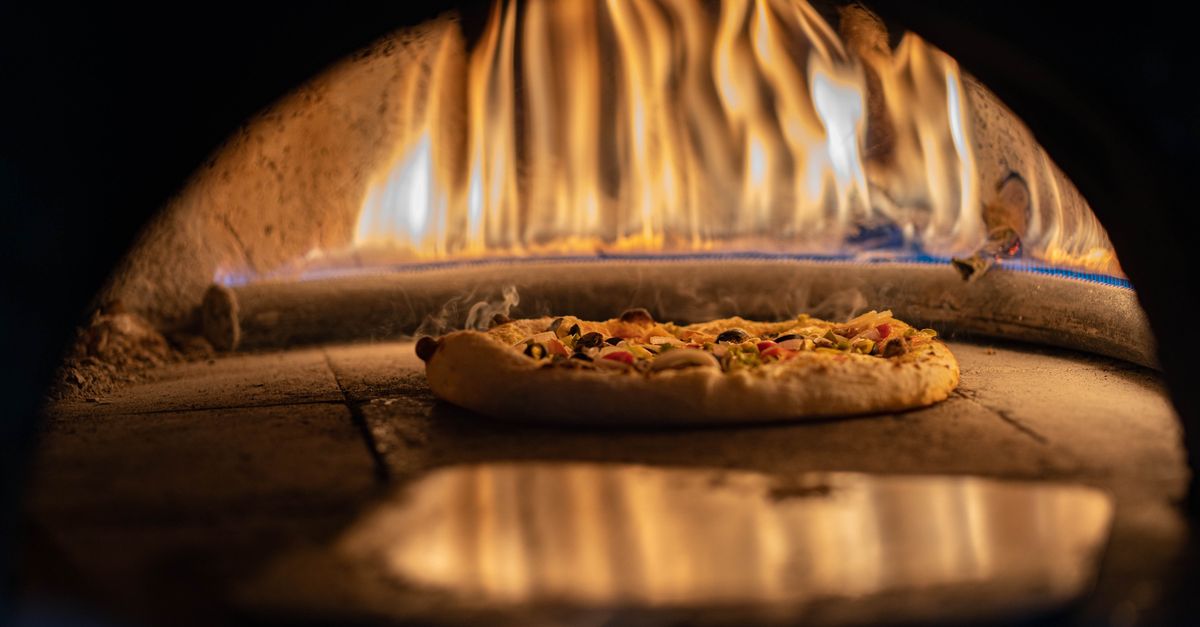
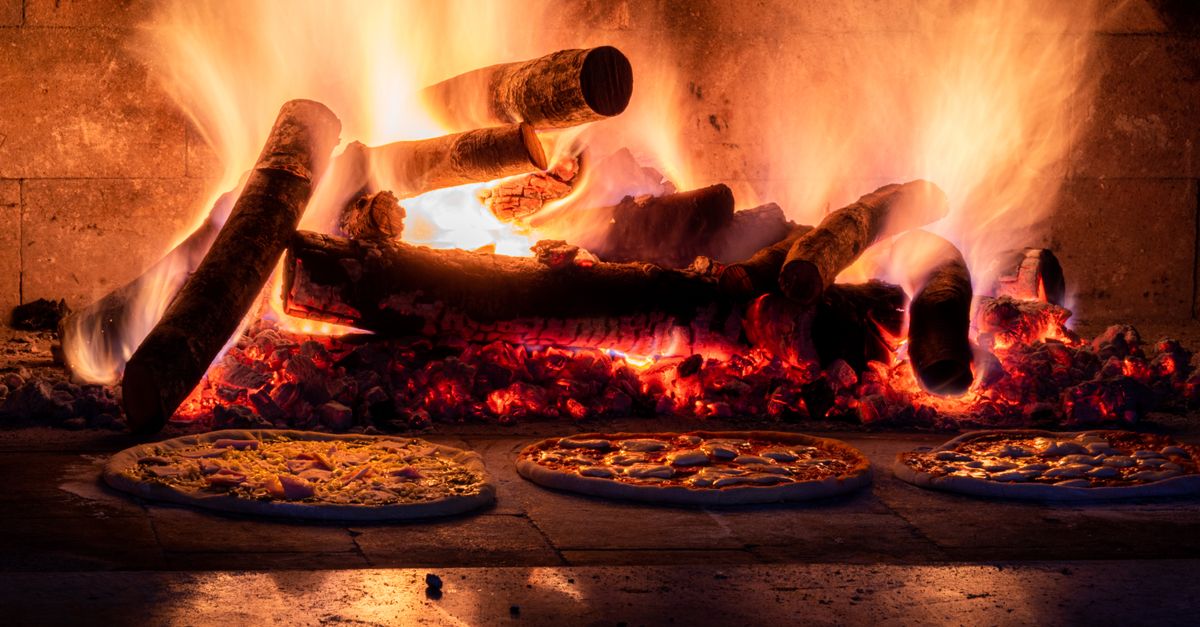
Wood-fired ovens
Wood-fired ovens reward patience and practice. The flame, ember management, and oven floor all influence the bake, which is part of the appeal for people who enjoy the process as much as the result.
They are a better match for cooks who want the ritual and flavor of live fire and do not mind more cleanup.
- Traditional cooking feel
- More smoke and fire character
- More technique and cleanup
Dual-fuel ovens
Dual-fuel ovens let you experiment. You can lean on gas for convenience or add wood for more character, depending on the model and setup.
That flexibility is useful if you are not sure which style you will prefer long term.
- Flexible fuel choices
- Good for experimenting
- More parts and more to learn
Electric ovens
Electric ovens come in two broad groups: indoor countertop ovens and outdoor electric models. Countertop ovens are about repeatability and convenience; outdoor electric models give you a patio-friendly option without propane tanks or wood.
If you want a simpler first step and do not need a live flame, electric can be an excellent choice.
- Precise temperature control
- Simple startup
- Usually smaller than outdoor gas or wood ovens
Check the exact model, generation, and bundle
One of the easiest buying mistakes is assuming two ovens with similar names are the same product. Brands often keep older versions in the catalog, rename bundles, or sell the same oven with different fuel options.
Confirm the exact model name, fuel type, pizza size, and what is included in the box. On gas models, make sure the regulator and hose setup match the current U.S. listing so you are not surprised by missing or incompatible parts.
If you want lighter, easier-to-store models, compare portable options before you commit to a larger patio unit.
- Confirm the exact model name and generation.
- Check whether the oven is gas, wood, dual-fuel, or electric.
- Verify what is included in the box: stone, hose or regulator, stand, cover, or adapters.
- Make sure the listing matches the size and placement you want.
Why exact model names matter
The current U.S. listing may not match an older review, a bundle name, or a discontinued generation. Check the manufacturer page carefully before you buy.
That is especially important when a brand keeps the same family name across multiple sizes or fuel setups.
- Use the current manufacturer listing, not an old review title.
- Compare the exact size and fuel type.
- Check bundle details before you assume accessories are included.
Match the oven size to how you cook
Size matters because it affects more than pizza diameter. It also changes recovery between pies, how much room you have to launch and turn, and whether the oven feels like a quick weeknight tool or a party appliance.
A 12-inch oven is enough for many households. A 16-inch oven gives you more room for larger pies and easier handling. Larger ovens are better when you want to cook for a crowd or move pizzas through fast.
If portability matters, a smaller oven is usually the smarter buy even when a larger model looks more impressive on paper.
- Choose compact if you want easier storage and portability.
- Choose mid-size if you make standard home pizzas most of the time.
- Choose large if you want party cooking or bigger pies.
- Bigger ovens usually need more patio space and more fuel to heat properly.
When 12-inch ovens make sense
Twelve-inch ovens are a good fit for small households, tighter patios, and people who want an easier learning curve. They are also a sensible choice if you mostly make one pizza at a time.
The trade-off is capacity. You will need to manage topping size and peel technique more carefully than with a larger oven.
- Good for smaller households
- Easier to move and store
- Less forgiving for oversized pies
When 16-inch ovens make sense
A 16-inch oven is often the sweet spot for home pizza cooks. It gives you room for bigger pies without making the oven feel unwieldy.
This size works well if you want a balance of performance, footprint, and versatility.
- Better for classic home-size pizzas
- More room for launch and rotation
- A strong all-around choice
When large ovens make sense
Very large ovens are best when you want to cook several pizzas in one session or handle bigger dough rounds comfortably. They are also useful if you expect to entertain often.
The trade-off is that you need more space, more preheat time, and more confidence with handling hot surfaces and tools.
- Best for parties and frequent pizza nights
- More flexible cooking space
- Needs more patio room and heat management
Focus on the specs that actually affect crust
The biggest mistake shoppers make is chasing the highest temperature number and ignoring how the oven delivers heat. Great crust needs a balanced bake: a hot floor for the bottom and strong upper heat for the rim and toppings.
Insulation, flame pattern, stone design, and oven recovery matter just as much as the headline temperature. A well-designed oven can make a better pie than a hotter oven that loses heat too quickly.
A built-in thermometer can help, but it does not replace knowing how the stone, burner, and pizza behave together.
- Do not judge an oven by max temperature alone.
- Look for insulation and a stone or floor that holds heat well.
- A thoughtful flame pattern helps brown the rim without scorching one spot.
- Good recovery matters if you plan to make multiple pizzas in a row.
Heat-up time and recovery
Fast heat-up is useful, but recovery is what keeps the second and third pizzas from baking slowly. If you cook for a group, the oven needs to bounce back after each launch.
Gas and electric ovens often make this easier to manage. Wood ovens can be excellent too, but they usually ask for more attention.
- Fast heat-up helps weeknight use
- Good recovery helps parties
- Consistent floor heat is key between pies
Stone thickness and insulation
A thicker stone or floor can help the oven stay more stable between pizzas, while good insulation reduces heat loss through the body of the oven. Both details support more even baking.
The best setup is not always the one with the largest number on the box; it is the one that holds usable heat when you are cooking.
- Stone or floor design affects bottom browning
- Insulation helps retain heat
- Stable heat is more useful than a flashy spec sheet
Flame shape and top heat
The top of a pizza needs enough heat to brown the cheese and finish the rim without overcooking the bottom. That is why flame shape matters so much in live-fire ovens.
A well-directed flame can improve evenness and reduce the amount of turning you need to do.
- Even top heat helps the rim brown properly
- Flame direction can reduce hot spots
- Better heat balance usually means less guesswork
Decide where the oven will live
Watch out: outdoor fuel-burning ovens belong outside, with clear space around them and the manufacturer's setup instructions followed closely. Never use them in garages, tents, or enclosed spaces because of carbon monoxide risk.
Countertop electric ovens are a different category. They are designed for indoor use, but they still get very hot and need clear counter space and ventilation.
If you plan to move the oven between storage and cooking spots, compare weight, handles, and setup time before you buy.
- Outdoor fuel-burning ovens are for outdoor use only, away from buildings.
- Never use them in garages, tents, or enclosed spaces.
- Follow the manufacturer's propane connection and leak-check instructions.
- Keep children and pets away from hot surfaces.
- Do not move a hot oven.
Patio and backyard setups
Patio users usually want the simplest combination of heat and control. Gas is often the easiest path, while wood or dual-fuel makes sense if you enjoy the process and have room to manage it safely.
If you want a model shortlist for backyard use, start with the category that matches your fuel preference and your available space.
- Great for dedicated outdoor cooking space
- Plan for clearances and heat-resistant surfaces
- Store the oven dry and covered when not in use
Countertop indoor setups
Indoor countertop ovens are a good fit when weather, space, or building rules make outdoor live-fire cooking impractical. They can still produce excellent pizza when the oven is fully preheated.
They are especially appealing if you want an easier routine and do not want to manage propane or wood.
- Best for indoor convenience
- Usually smaller than outdoor ovens
- Ventilation and countertop clearance still matter
Portable and outdoor electric setups
Outdoor electric ovens sit between the two worlds: they give you a patio-friendly setup without propane tanks or wood stacks, but they still need power and weather-aware storage.
If portability matters, compare weight, handles, and startup time before you buy. That is where a more compact unit can make day-to-day use easier.
- Needs a power source
- Usually easier to move than large gas ovens
- Follow weather-resistance guidance carefully
Use the right accessories and dough prep
Tip: A peel that matches your pizza size, heat-resistant gloves, and a simple dough plan will make the first few pizzas much easier. If you want a shopping shortcut, start with our tools and accessories guide and then pick the right pizza peel.
Dough prep matters too. A pizza oven can only do so much if the dough is too wet, too cold, or not scaled for the oven size. Use the pizza dough recipe for outdoor pizza oven as a practical starting point.
Clean the stone only the way the manufacturer recommends, and let it cool fully before you handle it.
- Start with a peel that matches your pizza size.
- Keep a second tool nearby for turning if your oven has a live flame.
- Use heat-resistant gloves around very hot surfaces.
- Plan dough quantity before pizza night starts.
Must-have tools
A peel is the first purchase most people should make. It helps with launching, retrieving, and sometimes turning the pie.
Long-handled tools and gloves help you stay farther from the hottest parts of the oven, which matters a lot once the stone and dome are fully heated.
- Pizza peel
- Heat-resistant gloves
- Long-handled turning tool
Dough prep
A pizza oven rewards dough that is scaled and shaped consistently. If the dough ball is too large for the oven, it becomes harder to launch and more likely to overhang the stone.
A repeatable dough routine usually matters more than fancy add-ons. If you will cook chicken or another poultry topping, plan to verify that it reaches 165°F / 74°C before serving.
- Match dough size to oven size
- Keep your dough routine consistent
- Practice stretching before the oven is fully hot
Cleanup and storage gear
Covers, brushes, and a dry storage plan help your oven last longer. Outdoor ovens should be protected from weather when the manufacturer recommends it.
If your model uses a stone, clean it only the way the brand recommends so you do not damage the cooking surface.
- Cover the oven when directed
- Store it dry
- Keep the stone and body clean per the manufacturer's instructions
Know the common mistakes before you buy
Most pizza-oven regrets come from mismatch, not bad products. A lot of buyers choose a model that is too large, too complicated, or not suited to the way they actually cook.
The other big mistake is underestimating the learning curve. Launching a pizza, rotating it at the right time, and managing the stone temperature all take practice, even with beginner-friendly ovens.
In short: choose the simplest oven that fits your space and cooking habits, then build skill with peel practice and a basic dough routine.
- Buying more oven than you need
- Choosing live-fire cooking before you want to manage it
- Ignoring storage space and weight
- Skipping accessories that make launching easier
- Assuming the highest temperature number guarantees the best crust
Mistakes with live-fire ovens
Gas, wood, and dual-fuel ovens all get extremely hot. That is part of the appeal, but it also means careful handling, clear space, and patience are non-negotiable.
Do not place fuel-burning ovens where heat or exhaust can create a hazard, and never use them in enclosed spaces.
- Keep clearances wide
- Use proper propane connections and leak checks
- Keep kids and pets back
Mistakes with electric ovens
Electric ovens remove some fire-management stress, but they still require planning. Indoor countertop ovens need room to breathe, and outdoor electric ovens need power and weather-aware storage.
If convenience is your top priority, make sure the plug-in setup still fits your kitchen or patio.
- Check ventilation and clearance
- Confirm power needs before buying
- Store outdoor electric models as directed
FAQ
Gas, wood-fired, or electric: which makes the best crust?
Any of them can make excellent crust if the oven is designed well and fully preheated. Gas is usually the easiest to control, wood-fired ovens add more flame character, and electric ovens are often the most consistent.
Do I need the hottest oven possible?
No. A big temperature number is not the same as great baking performance. What matters more is how evenly the oven heats the stone and the top of the pizza, and how well it recovers between pies.
What size pizza oven should I buy?
A 12-inch oven is enough for many households, while a 16-inch oven gives you more room for larger pies and easier handling. Bigger ovens are better for entertaining or cooking several pizzas in a row.
Can I use a pizza oven on a deck or close to the house?
Only if the manufacturer allows it and you can keep proper clearances. Outdoor fuel-burning ovens are for outdoor use only, away from buildings, and never in garages, tents, or enclosed spaces.
What accessories do I need first?
Start with a pizza peel, then add heat-resistant gloves and a long-handled turning tool if your oven needs it. Those basics make launching and turning much easier than trying to improvise.
How do I know when pizza is done?
Look for a set center, browned cheese, and a crust that has lifted and colored evenly. If you cook chicken or another poultry topping, use a thermometer and make sure it reaches 165°F / 74°C before serving.
Is a countertop electric pizza oven a good substitute for an outdoor oven?
It can be a very good substitute if you want indoor convenience, precise control, and smaller batches. It will not feel the same as a live-flame outdoor oven, but it can still make excellent pizza.
What's the difference between indoor countertop and outdoor electric pizza ovens?
Countertop electric ovens are built for indoor kitchens and are usually smaller and more controlled. Outdoor electric ovens are made for patios, need a power source, and should be used only where the manufacturer says they belong.
The bottom line
The best pizza oven is the one that fits your fuel preference, space, and comfort level. For many people, that means a gas oven or a beginner-friendly electric model; for others, the appeal of wood-fired cooking or a more portable patio unit is worth the extra learning and cleanup.
Once you narrow the category, build the setup around the right peel, a simple dough routine, and safe placement. That combination matters more than chasing the biggest temperature number.